Community10 min readFeatured
Building in Public: July–August 2026 Progress Update
A transparent look at what we shipped in July and August — 20+ microservices deployed, three dev environments set up, mobile app beta on both app stores, 500+ newsletter subscribers, and the real challenges of building a platform as a solo developer.
Every month, we share where things stand — what moved forward, what got stuck, and what we learned. July and August were big months. In July, we deployed the first 5 backend services to the development environment. In August, things picked up fast: we deployed over 20 microservices total, set up two new test environments, and uploaded our mobile app beta to both the App Store and Google Play. Our newsletter community grew past 500 subscribers. Here is the full update.
01What We Shipped: July
In July, we deployed the first 5 backend services to the development environment. These covered authentication, the social network core, and the initial user management flows. For the first time, real requests were moving through the system — from API gateway to Lambda functions to DynamoDB and back. This was not a demo with fake data. It was the actual architecture handling real traffic end-to-end.
The activity service also went live as part of this first batch. Now when someone connects with you, a project gets updated, or a milestone is reached, the system sends the right notification to the right person. Building this event-driven setup took longer than planned, but it means notifications scale on their own without constant checking.
Getting the first 5 services deployed and talking to each other was a milestone. It proved the architecture works. There were edge cases and performance issues to sort out, but the main flow worked. That was the important part.

02August Acceleration: 20+ Microservices Deployed
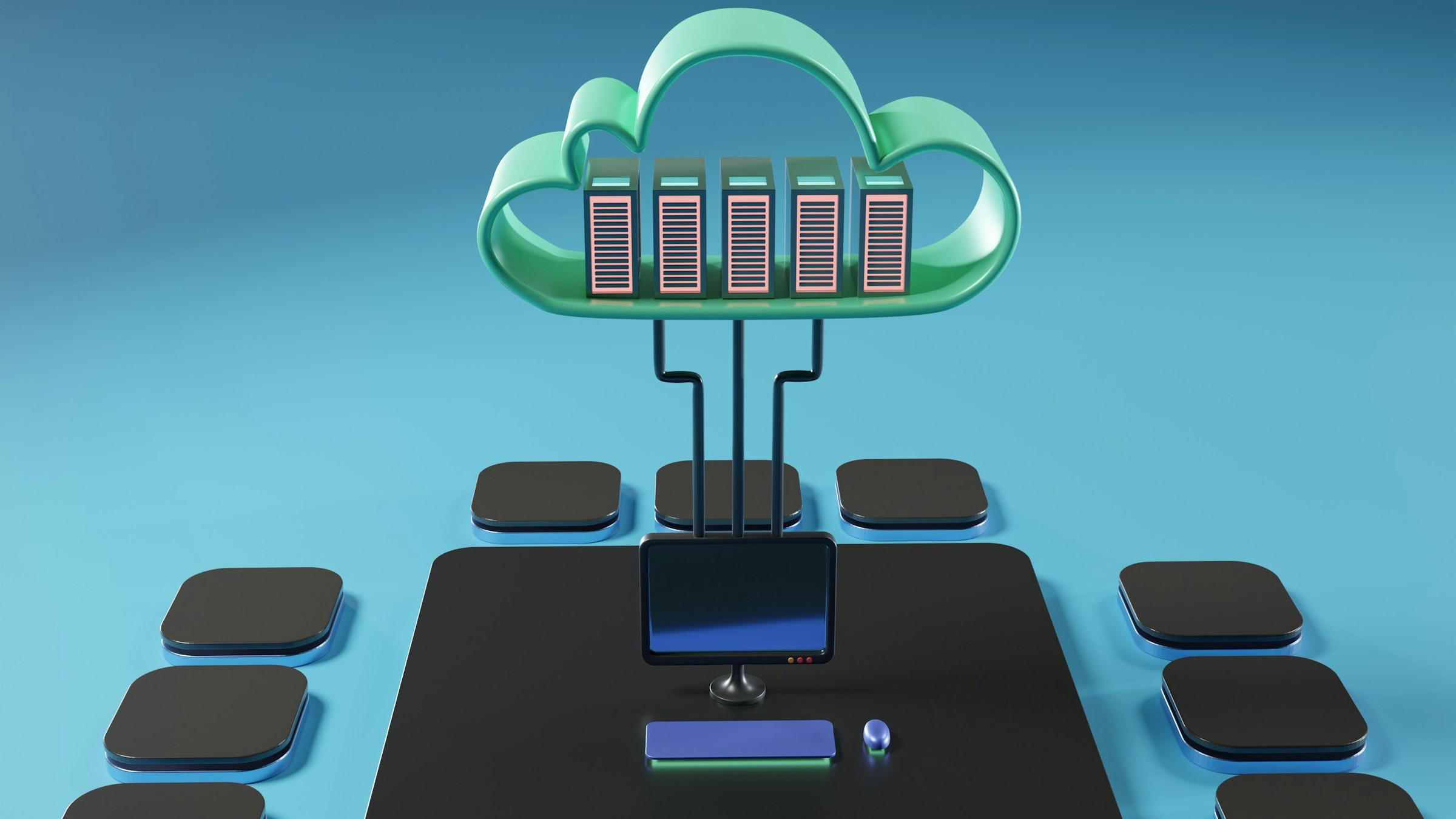
August was the month everything came together. We deployed over 20 microservices to the development environment for testing. These cover authentication, user management, billing, communication, project management, collaboration, AI services, achievements, messaging, forums, voice assistant, and more. Each one runs as its own stack with its own API, functions, database tables, and event connections.
We also set up two additional development environments for fault-tolerance and disaster recovery testing. That gives us three dev environments total — one for active development, one that mirrors what production will look like, and one where we can break things on purpose and make sure the system recovers.
The biggest milestone in August: our mobile app beta went live on both the Apple App Store and Google Play Store. The app covers messaging, wallet, marketplace, and the social feed. Getting approved by both Apple and Google as a pre-revenue app was a challenge on its own, but both stores accepted the beta. Real users can now install and test it on their phones.
03Payment Infrastructure Progress
The billing service design is done. After three rounds of changes to the data model and two full rewrites of the transaction flow, we arrived at a design that handles marketplace payments cleanly. The wallet system is locked in — every user gets a platform wallet that tracks their earnings, pending amounts, and available balance.
Stripe integration is underway. The SafePay escrow flow works for the normal case, and now we are building the dispute and refund paths. These are the parts nobody sees but everyone depends on. What happens when a buyer disputes a charge? What if a seller delivers late? What if the network drops mid-payment?
We are taking our time with this. Payment systems need to be right. A bug in the feed shows the wrong post. A bug in payments loses real money. The stakes are different, so we move carefully. Every edge case gets a test. Every failure gets a recovery plan.
04Community Growth: 500+ Subscribers
Our newsletter passed 500 subscribers by the end of August, up from 300 in July. All of that growth was organic — driven by our weekly quote emails and word of mouth from existing readers. Open rates stay above 45%, nearly double the industry average for tech newsletters.
New subscribers join each week from Canada, Nigeria, the US, and the UK. That matches the communities we are building for. Tech professionals everywhere deal with the same problems: scattered tools, unreliable payments on freelance platforms, and lost project context.
The best signal is the replies. People do not just read — they write back. They share their experiences, suggest features, and ask when they can sign up. Those conversations shape the product directly. For us, community is not a marketing tactic. It is the foundation. Reaching 500 without any paid ads tells us we are solving a real problem.
05The Honest Challenges
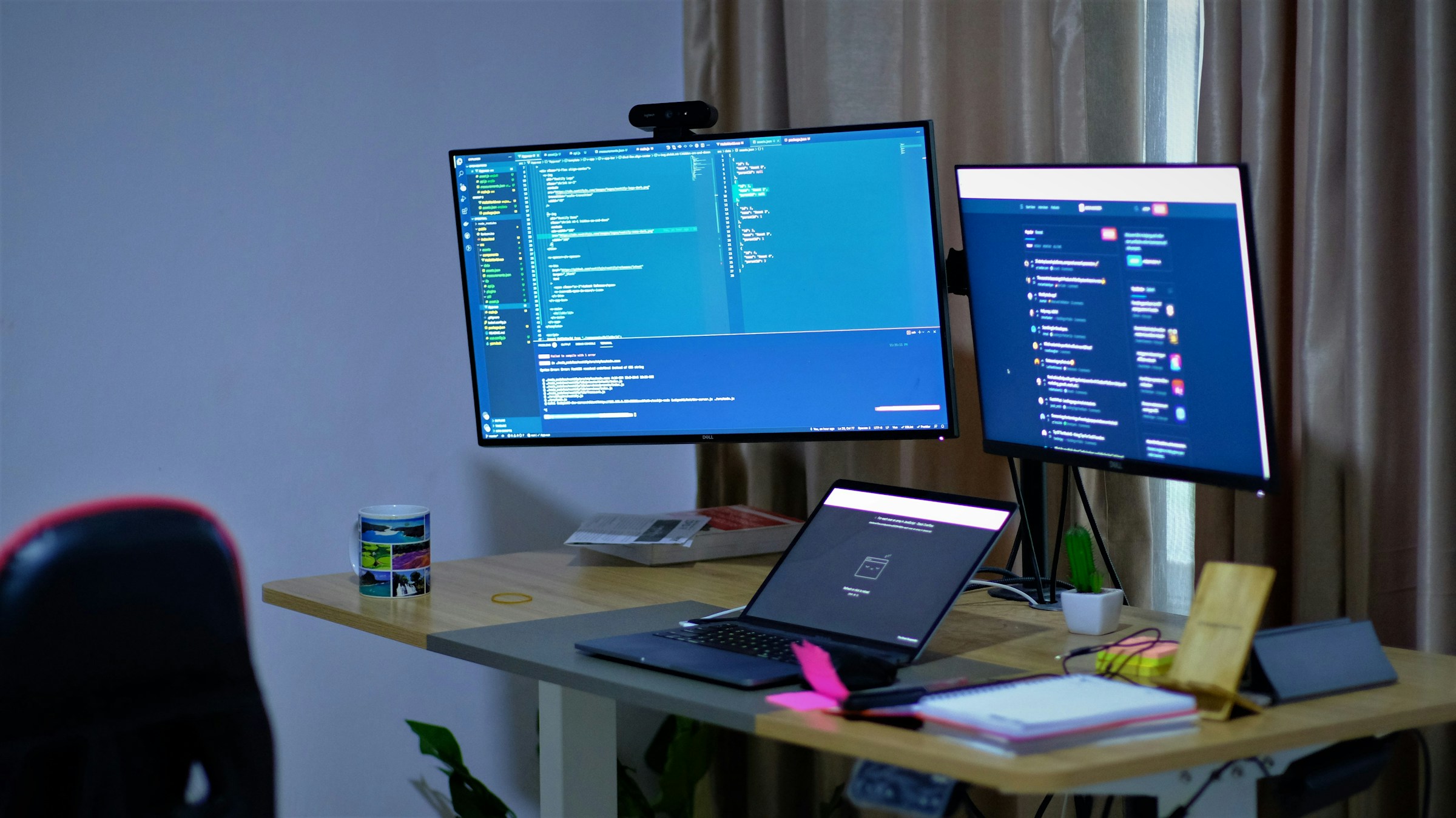
Being a solo developer means wearing every hat. Some weeks you write backend code in the morning, build UI after lunch, configure infrastructure in the evening, and manage the community before bed. Switching between these tasks has a real cost. Every context switch eats time, and it adds up fast.
Some weeks are 14-hour days. Not because someone demands it, but because the work does. When you are the only person who knows the full system — database design, frontend components, cloud infrastructure — there is nobody to hand things off to. Every decision, bug, and deployment is on you.
Deploying 20+ microservices alone meant chasing permission errors, fixing things that worked in one dev environment but broke in another, and debugging config differences across environments — all by myself. Funding conversations are ongoing. Building alone can be lonely, and no productivity tool fixes that. But every subscriber who writes back, every feature that clicks into place, every successful deployment — those moments add up. The vision is clear. The path is hard but doable. And the growing community reminds us every day that the problem we are solving matters.
06What’s Next: September and Beyond
The main focus for September is the mobile app. Now that the beta is on both the App Store and Google Play, we are racing to get it ready for public testing. We are fixing bugs from early testers, improving the core flows — messaging, wallet, and the social feed — and working through the feedback that only shows up on real phones with real network conditions. The goal is to move from closed beta to open public testing as fast as possible.
Payment hardening is also on the list. The billing service needs a security review before it handles real money. Every API endpoint gets rate limiting, input checks, and abuse detection. The wallet system gets tested under heavy simulated load.
We are also applying to incubator programs. Not because we need permission to build, but because mentorship and resources speed things up. Every month brings us closer to the full product. The gap between where we are and where we are going gets smaller with every commit, every deployment, and every new subscriber.
Building in public means showing the messy middle, not just the highlights. July and August were productive but not perfect. We deployed 20+ microservices, set up three dev environments, got the mobile app on both stores, and grew past 500 subscribers — all as one developer. That is enough. Next month we do it again.
CommunityProductOpen Source
Never miss a post
Subscribe to get the latest TCTF articles delivered to your inbox.