Design7 min read
How Collaboration Makes Us Better Designers
Discover how cross-functional collaboration enhances design quality. Learn techniques for working effectively with developers, product managers, and stakeholders to create exceptional user experiences.
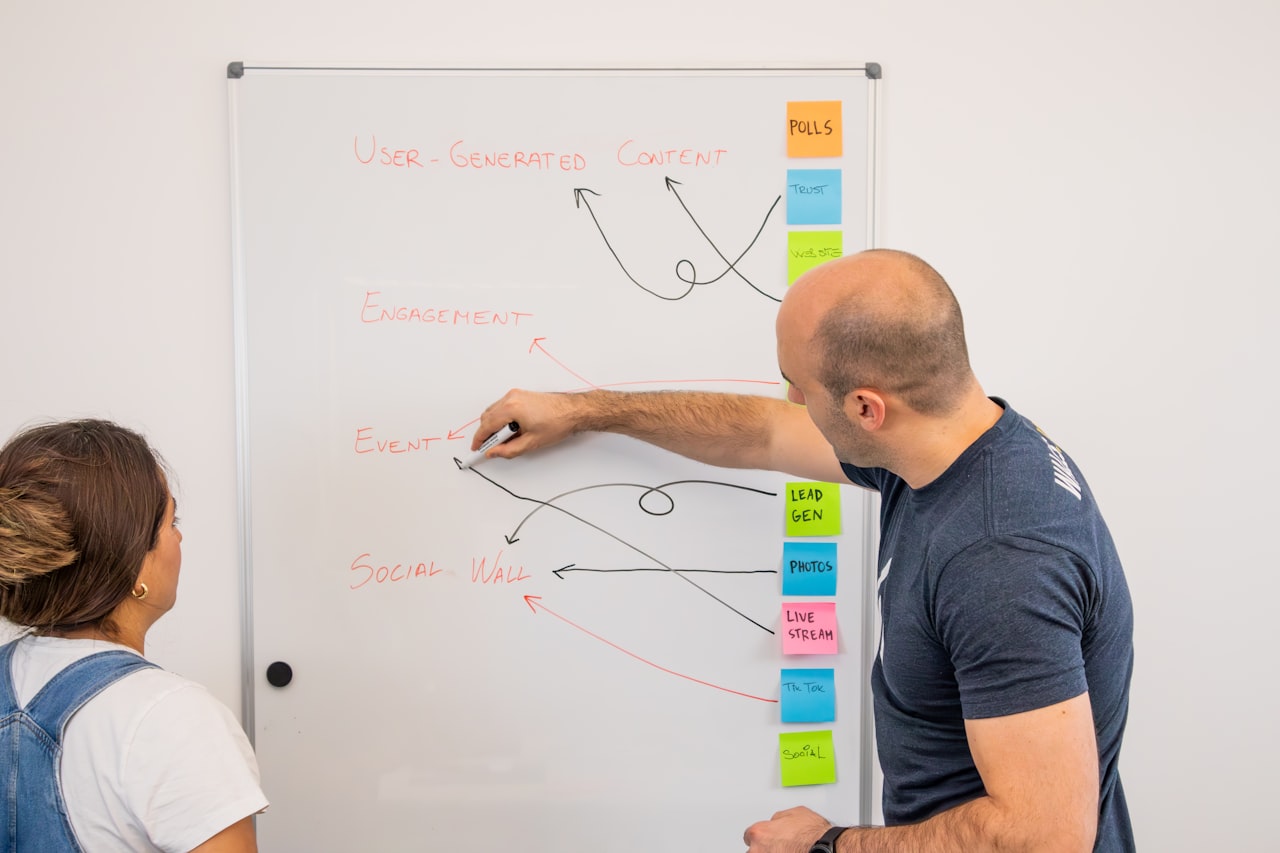
Design does not happen in a vacuum. The best interfaces are built by designers who work closely with engineers, product managers, researchers, and users. This article explores how cross-functional collaboration at TCTF has improved our design quality, reduced rework, and accelerated delivery.
01The Myth of the Solo Designer
The image of the lone designer crafting a perfect interface in isolation is romantic but wrong. Solo design leads to blind spots — assumptions about technical feasibility, user behavior, and business constraints that go unchallenged until implementation.
At TCTF, every design project starts with a kickoff that includes the designer, the lead engineer, and the product manager. The designer brings user insights, the engineer brings technical constraints, and the PM brings business context. This 30-minute conversation prevents weeks of rework.
The most common rework we eliminated: designs that required data the backend did not have, animations that were too expensive to render on mobile, and flows that conflicted with existing user patterns in other parts of the product.
02Design Reviews That Actually Work
Most design reviews are broken. They devolve into subjective opinions about aesthetics — 'I think the button should be bigger' — instead of structured feedback about user experience.
We fixed this by structuring reviews around three questions: Does this solve the user problem we identified? Is this technically feasible within the timeline? Does this align with our design system?
Every piece of feedback must reference one of these three questions. 'I think the button should be bigger' becomes 'The tap target is below our 44px minimum from the design system' — specific, actionable, and grounded in a shared standard.
We also limit reviews to 30 minutes and 5 participants. More people means more opinions, longer meetings, and less clarity. The designer, the lead engineer, the PM, and optionally a design system maintainer and a researcher.
🎨Three questions for every review: Does it solve the user problem? Is it technically feasible? Does it align with the design system? Everything else is noise.
03Pairing with Engineers
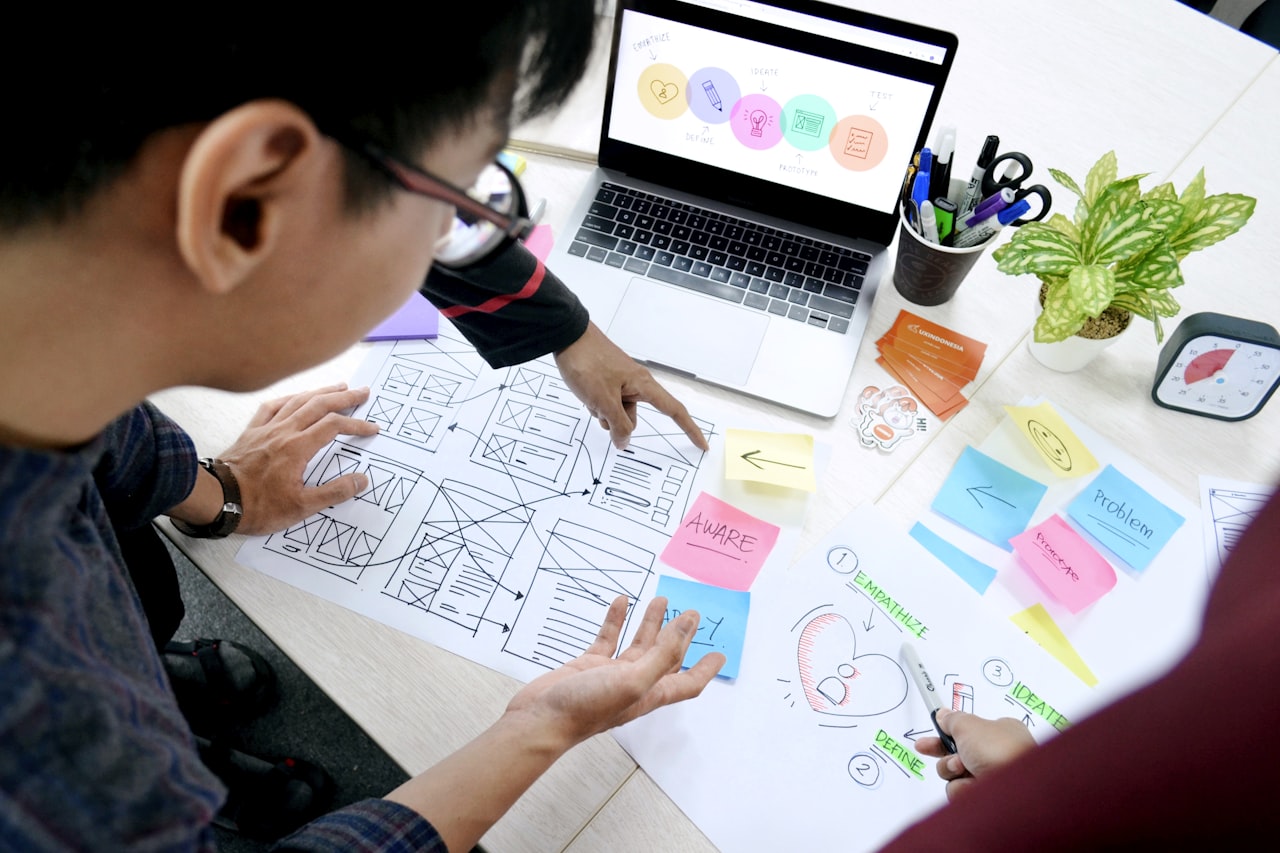
The most impactful collaboration practice we adopted is designer-engineer pairing. Not pair programming — pair building. The designer sits with the engineer during implementation, answering questions in real-time, adjusting designs based on technical discoveries, and catching visual bugs before they reach QA.
This eliminates the handoff gap — the space between 'design is done' and 'implementation matches the design' where details get lost. Spacing is off by 4px. The loading state was not designed. The error message does not fit the container. These small issues compound into a product that feels unpolished.
Pairing sessions are 1-2 hours, scheduled during the implementation phase. The designer does not need to be present for the entire implementation — just the parts where visual fidelity matters: layout, animations, responsive behavior, and edge cases.
04Shared Language: The Design System as Common Ground
Cross-functional collaboration requires a shared language. When a designer says 'primary action' and an engineer says 'submit button,' they might mean the same thing or they might not. Ambiguity creates bugs.
The design system is the shared language. Every component has a name, a specification, and usage guidelines that both designers and engineers reference. When the designer says 'use the PrimaryButton component with size large,' the engineer knows exactly what to build — no interpretation required.
At TCTF, our design system includes 80+ components, each with Figma specifications and React implementations. The naming is identical in both tools. The props in React match the variants in Figma. This 1:1 mapping eliminates translation errors between design and code.
🧩80+ components with identical naming in Figma and React. 1:1 mapping eliminates translation errors between design and code.
Collaboration is not a soft skill — it is a design tool. The best interfaces come from teams that communicate early, review structured feedback, pair during implementation, and share a common language through the design system. Invest in collaboration practices and the design quality follows.
Design SystemsUXCollaboration
Never miss a post
Subscribe to get the latest TCTF articles delivered to your inbox.