Community13 min read
Why Africa Does Not Boast a Vibrant Open-Source Community — and Why TCTF Is Working to Change That
Africa's open-source community is growing but still fragmented. Organizations like OSCA have pioneered the space. TCTF is here to build on that foundation and redefine the landscape — with structured governance, enterprise programs, and a platform that connects African developers to global open-source leadership.
Let us be honest: Africa does not yet have a vibrant, self-sustaining open-source community at the scale of what exists in North America, Europe, or East Asia. The continent has brilliant developers, growing tech hubs, and increasing GitHub activity — but it lacks the institutional infrastructure, corporate backing, and governance frameworks that turn individual enthusiasm into a durable ecosystem. Organizations like Open Source Community Africa (OSCA) have done pioneering work in building community, running events, and creating entry points for new contributors. That work matters, and it laid important groundwork. TCTF is not here to replace it — we are here to build on it and redefine the landscape. Our approach is different: structured governance modeled on global foundations, enterprise membership programs that fund sustained contribution, a technology platform that connects African developers to real open-source projects, and a long-term vision that positions African developers not just as contributors but as leaders of global open-source projects.
01The Current State: Growing but Fragmented
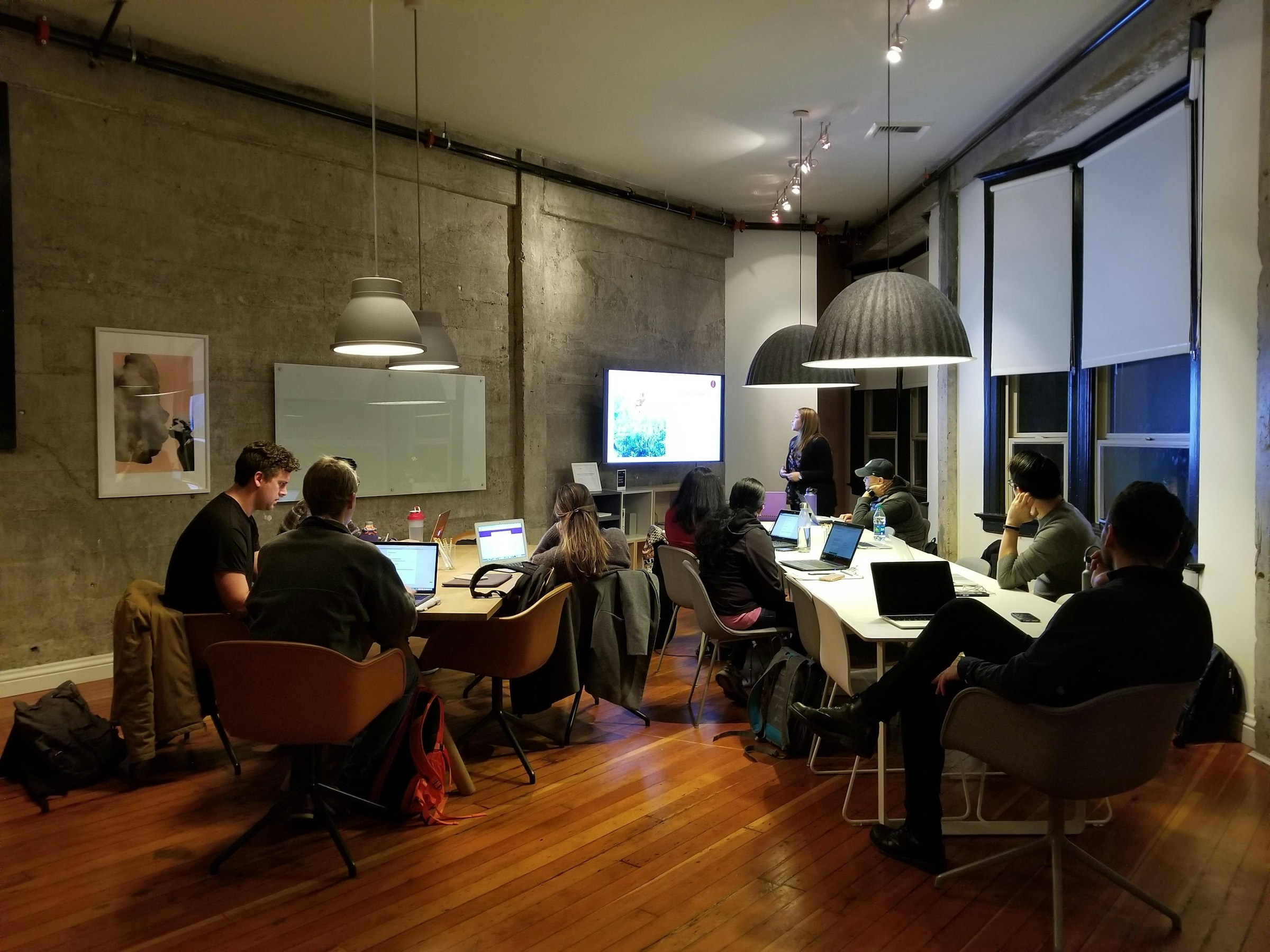
Africa's open-source activity is real and growing. GitHub's data shows the continent has the fastest-growing developer community on the platform. Cities like Lagos, Nairobi, Cape Town, Cairo, and Accra have active tech communities with regular meetups, hackathons, and coding bootcamps. Organizations like OSCA, She Code Africa, and DevC communities have built networks that reach thousands of developers.
But the activity is fragmented. Most contribution is individual — developers contributing in their spare time to projects they use, without institutional support. There are few African-led open-source projects with global adoption. Corporate open-source programs are rare. Foundation-level governance — the kind that sustains projects for decades — is almost nonexistent.
The result is a community that is wide but shallow. Many developers have made a first contribution. Few have become sustained maintainers. Even fewer participate in the governance of major projects. The pipeline from 'interested developer' to 'open-source leader' has too many gaps.
This is not a criticism of the work that has been done — it is a recognition that the next phase requires different tools. Community building got us here. Institutional infrastructure will get us to the next level.
📊Africa's open-source community is wide but shallow. Many first contributions, few sustained maintainers, almost no governance participation. The pipeline has gaps that only institutional infrastructure can close.
02What OSCA Built — and Why It Matters
Open Source Community Africa (OSCA) deserves recognition for what it has accomplished. Founded in 2018, OSCA built the first pan-African community focused specifically on open-source contribution. They organized events across multiple countries, created educational content, and gave thousands of African developers their first exposure to open-source culture and practices.
OSCA proved that the demand exists. African developers want to contribute to open source. They want to be part of the global community. They want to build skills, reputation, and careers through open-source work. The attendance at OSCA events, the engagement in their communities, and the contributions that followed all demonstrate that the appetite is real.
What OSCA also revealed — through no fault of its own — is the scale of the institutional gap. Community events and educational content are necessary but not sufficient. Developers who attend a hackathon and make their first pull request need a pathway to sustained contribution. That pathway requires funding, mentorship, governance structures, and enterprise partnerships that are beyond the scope of a community organization.
TCTF is not competing with OSCA. We are building the institutional layer that community organizations need to convert enthusiasm into sustained impact. OSCA creates the spark. TCTF builds the engine.
🤝OSCA proved the demand exists. TCTF is building the institutional layer that converts community enthusiasm into sustained impact. OSCA creates the spark. TCTF builds the engine.

03How TCTF Is Redefining the Landscape
TCTF's approach is modeled on the foundations that have successfully sustained open source globally — Apache, Linux Foundation, Eclipse Foundation — but adapted for Africa's unique context.
Structured governance: TCTF operates with formal governance — a board, working groups, transparent decision-making, and community representation. This is not bureaucracy for its own sake. It is the structure that enables long-term sustainability, corporate trust, and community accountability. When an enterprise considers investing in open source, they need to see governance. When a developer considers committing years to a project, they need to see stability.
Enterprise membership: TCTF's corporate membership program is designed for African markets. Tiered pricing makes participation accessible to startups and large enterprises alike. Members get governance participation, contributor access, and brand visibility. The funding supports contributor grants, infrastructure, and community programs.
TCTF's platform: We are building a technology platform — not just a website — that connects developers to projects, tracks contributions across multiple dimensions (code, documentation, community support, content, design, governance), and provides the tools for project management, communication, and collaboration. This is the infrastructure that turns fragmented individual effort into coordinated community contribution.
Contributor pathways: Structured programs that take developers from first contribution through sustained maintainership to governance leadership. Each stage has clear milestones, mentorship support, and recognition. The goal is not just more contributors — it is more African maintainers and governance leaders in global projects.
Global positioning: TCTF is not building an African open-source silo. We are building a bridge that connects African developers to global open-source leadership. Our projects, our governance, and our standards are global. The difference is that we are intentionally creating pathways for African developers to reach those global roles.

04The Vision: Africa as an Open-Source Powerhouse
The vision is not modest: we want Africa to become a major force in global open source within the next decade.
This means African maintainers in the top 100 open-source projects. African representatives on the governance boards of major foundations. Open-source projects originating from Africa that achieve global adoption. Enterprises across the continent that fund, contribute to, and lead open-source initiatives.
This is not fantasy. The ingredients are present. Africa has the fastest-growing developer population. The continent's unique challenges — low connectivity, mobile-first users, diverse languages, complex payment systems — drive innovations that the global community needs. The cost structure means that relatively modest investment produces outsized impact.
What has been missing is the institutional infrastructure to channel these ingredients into sustained output. That is what TCTF is building. Not from scratch — building on the community work of OSCA and others, the technical talent of Africa's developer community, and the growing interest of global enterprises in diversifying their open-source investment.
The next decade will determine whether Africa becomes a consumer of open source or a leader of it. TCTF is betting on leadership.
🌍The next decade will determine whether Africa becomes a consumer of open source or a leader of it. TCTF is betting on leadership.
Africa's open-source community is at an inflection point. The community building phase — pioneered by OSCA and others — has proven the demand. The next phase requires institutional infrastructure: governance, enterprise funding, structured contributor pathways, and a platform that connects African developers to global opportunities. TCTF is building that infrastructure. We are not the first organization to work on open source in Africa, and we will not be the last. But we are here to redefine what is possible — to build the foundation that turns Africa's growing developer talent into a global open-source force.
Editor's Note: This is part of the TCTF Community Series. Learn more about TCTF's mission and programs at cometbid.org.
Open SourceCommunity
Never miss a post
Subscribe to get the latest TCTF articles delivered to your inbox.