Community12 min read
Staying Motivated, Week 2: The Grind — Setbacks, Funding, and the Team That Showed Up
The middle of any long project is where most people quit. This is the story of the grind — the setbacks that tested us, the funding challenges that kept us up at night, and the people who showed up when it mattered most.
Week 1 of this series covered the early days — the spark, the first lines of code, the moment we realized TCTF was bigger than a side project. This week, we talk about what happened next. The middle. The middle is where most projects die. Not because the idea was bad. Not because the technology failed. But because the grind wore people down. The excitement of the beginning fades. The finish line is not yet visible. And every day feels like pushing a boulder uphill with no guarantee it will stay at the top. This is the story of our middle. The setbacks. The funding challenges. And the people who showed up when it mattered most.
01The Setbacks Nobody Talks About
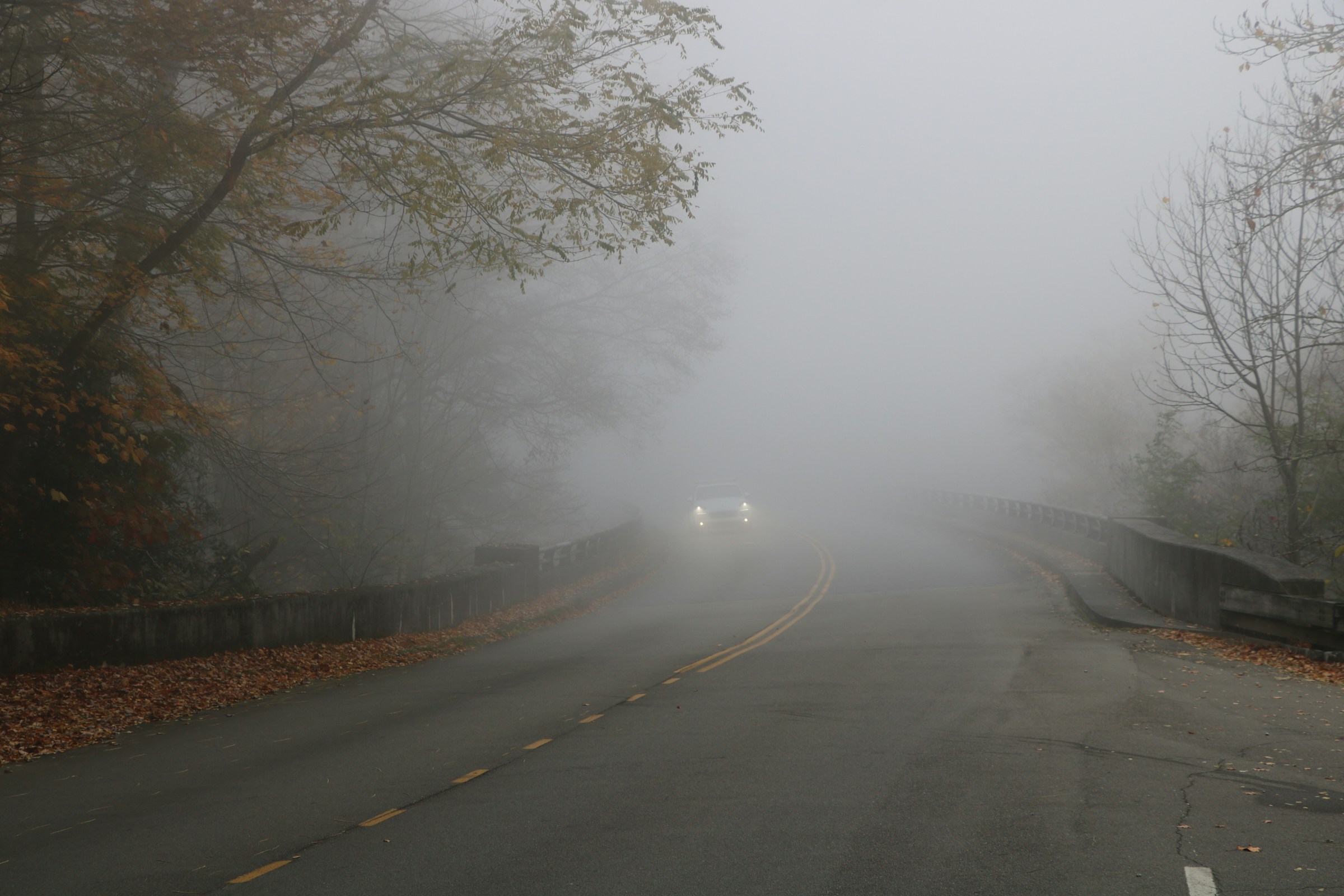
Every project has a highlight reel — the launches, the milestones, the metrics. But behind every highlight reel is a blooper reel that nobody sees.
We had services that worked perfectly in development and broke spectacularly in production. We had architecture decisions that seemed brilliant at the time and cost us weeks to undo. We had the December 2025 rewrite — an entire month spent tearing apart a working monolith and rebuilding it as 34 independent services, with no guarantee it would be better.
We had days where nothing worked. Days where the CI pipeline was red for hours. Days where a single misconfigured IAM policy brought down an entire service. Days where we questioned whether we were building the right thing, in the right way, at the right time.
But here is what nobody tells you about setbacks: they are proof you are actually building. A project with no setbacks is a project that never left the whiteboard. The broken deployments, the failed migrations, the rollbacks at 2 AM — they are not signs that something is wrong. They are signs that something is real. The difference between a project that ships and a project that dies in the middle is not the absence of setbacks — it is the willingness to get back up after each one, even when no one is watching, even when there is no applause.
💪Setbacks are proof you are actually building. A project with no setbacks is a project that never left the whiteboard. The difference is not the absence of setbacks — it is the willingness to get back up when no one is watching.

02The Funding Question
Building a platform with 34 microservices, 4 frontend applications, and a growing community is not free. Cloud costs, domain registrations, design tools, third-party services — they add up. And when you are building something that is not yet generating revenue, every expense is a bet on the future.
The funding question kept us up at night more than any technical challenge. Not because we did not have resources, but because the resources were finite and the ambition was not. Every dollar spent on infrastructure was a dollar not spent on community programs. Every hour spent on code was an hour not spent on fundraising.
And here is the deeper truth: there is no monetary incentive driving this. No investor breathing down our neck with quarterly targets. No salary attached to these late nights. What motivates us when there is no financial gain is the vision — the passion to see change, to put a smile on someone's face because we did not give up when we should have. When the full result finally comes out, we want lives transformed. We want people to say: if not for this platform, I would not have been able to do this. That is motivation enough to keep driving forward each passing day.
We learned to be ruthlessly efficient. Serverless architecture was not just a technical choice — it was a financial one. Pay-per-use pricing meant we only paid for what we used. DynamoDB on-demand meant no provisioned capacity sitting idle. Lambda meant no servers running when no one was making requests. The technology choices were driven as much by budget as by architecture.
The funding challenge is not solved. It is ongoing. But constraints breed creativity. When you cannot throw money at a problem, you throw ingenuity at it instead. And the solutions born from constraints are often more elegant than the ones money would have bought.
💰There is no monetary incentive. What drives us is the vision — the passion to see lives transformed. We want people to say: if not for this platform, I would not have been able to do this. That is motivation enough.

03The People Who Showed Up
The technology is important. The architecture matters. The funding is necessary. But the hardest part is doing it alone.
Let us be honest: building TCTF has largely been a solo effort so far. The vision was always bigger than one person — but the execution has mostly fallen on one pair of hands. That is not a complaint. It is just the reality of building something when commitment is hard to come by.
But let us be honest: more is still needed. Getting sustained commitment from people has been an uphill task — perhaps the hardest part of this entire journey. Harder than the architecture. Harder than the funding. People have lives, jobs, competing priorities. Some show up with incredible energy for a week and then disappear. Some commit to a feature and go silent. Some say yes and never follow through. That is the reality of building something that does not yet pay anyone's bills. You cannot blame people for prioritizing what feeds their families.
When there is no monetary incentive, no paycheck, no equity — what draws people in and keeps them? Only the vision. Only the belief that what you are building matters. Only the hope that when this platform finally reaches the people it was built for, it will change their trajectory. That is a hard sell in a world that values immediate returns. But it is the only honest one we have.
What you can do is keep the fire burning. Keep building. Keep shipping. Keep showing up yourself, because that consistency is what eventually attracts the people who stay. The ones who have stayed — they are gold. They see what we see. They believe that the end will be great. Not because it is guaranteed, but because we refuse to stop until it is.
And when it finally comes together — when someone uses this platform to find a mentor, land a project, earn their first payment, or get their first governance role in an open-source project — that will be worth every silent night of coding alone. That future smile on someone's face is what keeps us driving forward each passing day.
🤝When there is no paycheck, no equity, no immediate return — only the vision keeps people. We keep the fire burning knowing that when lives are finally transformed, every silent night of building alone will have been worth it.
The middle is hard. It is supposed to be hard. If it were easy, everyone would do it. But the middle is also where character is forged — where you discover whether you are building for the applause or for the impact. We are building for the impact. For the developer in Lagos who needs a mentor. For the freelancer in Nairobi who needs a platform that pays fairly. For the contributor in Accra who deserves a seat at the governance table. Next week, in the final part of this series, we will talk about where we are now and what keeps us going. Stay tuned.
Editor's Note: This is Week 2 of the 'Staying Motivated' series — a personal story about building TCTF. Read Week 1 for the beginning and Week 3 for where we are now.
CommunityOpen Source
Never miss a post
Subscribe to get the latest TCTF articles delivered to your inbox.