Product8 min readFeatured
Why We Built SafePay: Payment Protection for Everyone
SafePay is our escrow platform for protected transactions — whether you're buying furniture from an artisan, hiring a photographer, or closing a deal with a business partner. It works on and off the platform.
Every day, millions of transactions happen between people who have never met. A buyer sends money and hopes the seller delivers. A seller provides a service and hopes the buyer actually pays. This dynamic is the foundation of online commerce, yet it remains terrifyingly fragile. SafePay exists because trust shouldn't be a gamble — it should be a guarantee.
01The Trust Problem in Online Transactions
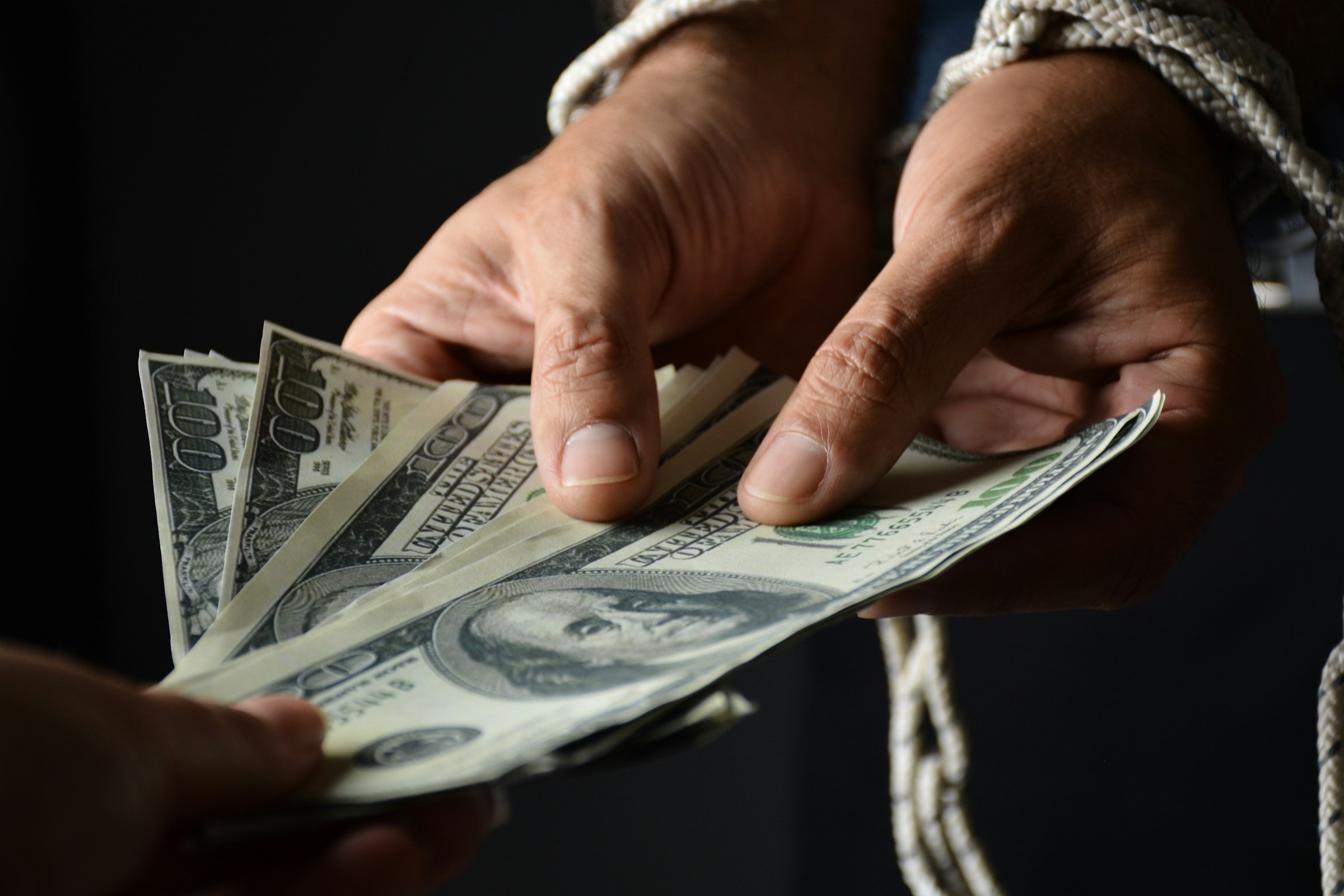
When two strangers exchange money for goods or services online, both parties carry risk. The buyer risks paying for something that never arrives or doesn't match what was promised. The seller risks delivering work and never receiving payment. This trust gap isn't new, but it's growing wider as more commerce moves online and crosses borders.
Traditional solutions — chargebacks, payment reversals, legal action — are slow, expensive, and often inaccessible to individuals and small businesses. A furniture maker in Lagos shouldn't need a lawyer to ensure they get paid for a custom table. A buyer in London shouldn't have to take a leap of faith when commissioning a piece from someone they found online.
The trust problem is universal. It affects freelancers, artisans, service providers, small businesses, and everyday consumers. What people need isn't more fine print or complex contracts — they need a simple mechanism that holds funds safely until both sides are satisfied.

02How SafePay Works
SafePay distills escrow into its simplest possible form: fund, hold, deliver, confirm, release. The buyer creates a SafePay transaction and deposits the agreed amount. The funds are held securely by the platform — neither party can touch them unilaterally. The seller sees the funds are locked and delivers the goods or service with confidence. Once the buyer confirms satisfaction, the payment releases to the seller instantly.
If something goes wrong — the delivery doesn't match what was agreed, or there's a disagreement about quality — either party can open a dispute. The platform mediates based on the evidence provided: messages, photos, delivery confirmations. Resolution is fast because the funds are already held; there's no need to chase anyone.
The entire process can be completed in under a minute of setup time. No legal documents. No multi-page contracts. No jargon. You describe what you're buying, set the amount, and fund it. That's it. SafePay handles the rest.

03SafePay vs Escrow Contracts: What's the Difference?
Cometbid Social offers two payment protection systems, and understanding when to use each one matters. SafePay is designed for simple, one-step transactions between any two parties — peer-to-peer, business-to-business, or business-to-consumer. It works for a single deliverable with a single payment. Buy a product, pay for a service, close a deal. One transaction, one confirmation, done.
Escrow Contracts, on the other hand, are structured for ongoing project work — typically freelancers working through the platform's marketplace. They support multiple milestones, partial releases, revision cycles, and detailed scope tracking. If you're building a website over three months with weekly deliverables, Escrow Contracts handle that complexity.
The key distinction: SafePay is for anyone, anywhere, doing any kind of transaction — on or off the platform. Escrow Contracts are for project-based work happening within the Cometbid Social marketplace. SafePay is a padlock. Escrow Contracts are a vault with compartments. Both protect your money, but they serve different situations.

04Built for Everyone, Not Just Tech
When we designed SafePay, we deliberately moved away from tech-industry assumptions. Not everyone knows what escrow means. Not everyone has used a freelancing platform before. The people who need payment protection most — artisans, hairdressers, photographers, tutors, small merchants — are often the least served by existing solutions.
A hairdresser taking a deposit for a bridal appointment. A furniture maker receiving payment for a custom piece. A photographer booking a wedding session months in advance. A tutor receiving payment for a block of lessons. These are real transactions that happen every day without any protection. When things go wrong, the amounts may be small by corporate standards, but they're significant to the people involved.
SafePay's interface uses plain language, minimal steps, and clear visual feedback. There's no onboarding tutorial needed. If you can send a text message, you can use SafePay. We tested the flow with users who had never heard the word "escrow" — they completed transactions successfully on their first attempt without guidance.
05On-Platform and Off-Platform
SafePay works seamlessly within the Cometbid Social marketplace — when you find a service provider or product through the platform, initiating a protected transaction is one tap away. But we didn't stop there. SafePay also works for transactions that happen entirely outside the platform.
Here's how: you create a SafePay transaction and generate a payment link. Share that link with anyone — via WhatsApp, email, SMS, or any channel. The other party doesn't need a Cometbid Social account to confirm delivery or participate in the process. They click the link, review the terms, and interact with the transaction through a simple web interface.
This means SafePay is useful whether you found your counterpart on our platform, on Instagram, through a friend's referral, or at a local market. The protection follows the transaction, not the platform. Wherever trust is needed between two parties exchanging money for value, SafePay can be the bridge.
Trust is the foundation of commerce. Every successful transaction in history rested on it — whether enforced by reputation, handshakes, or institutions. SafePay removes the fear from paying someone you don't know — whether they're on the platform or not. When both sides know the money is protected, they can focus on delivering great work instead of worrying about getting burned.
ProductPaymentsCommunity
Never miss a post
Subscribe to get the latest TCTF articles delivered to your inbox.